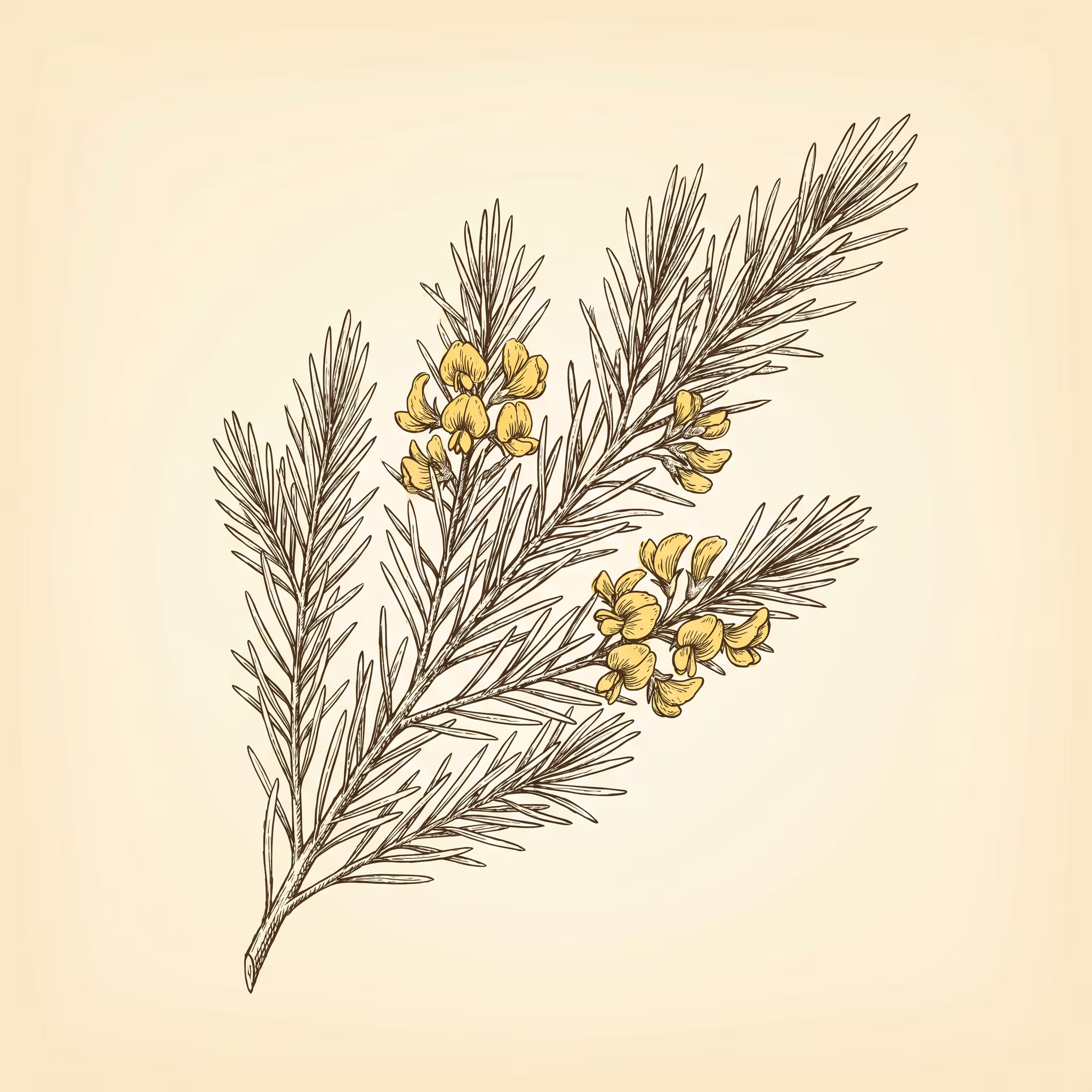
Rooibos
Aspalathus linearis
Indigenous antioxidant, polyphenol-rich
Rooibos is endemic to a single region of South Africa — the Cederberg mountains and surrounding plateau, where it has been used as a traditional beverage and medicinal plant for centuries. Unlike *Camellia sinensis* (true tea), rooibos is caffeine-free and rich in distinctive polyphenols including aspalathin and nothofagin.
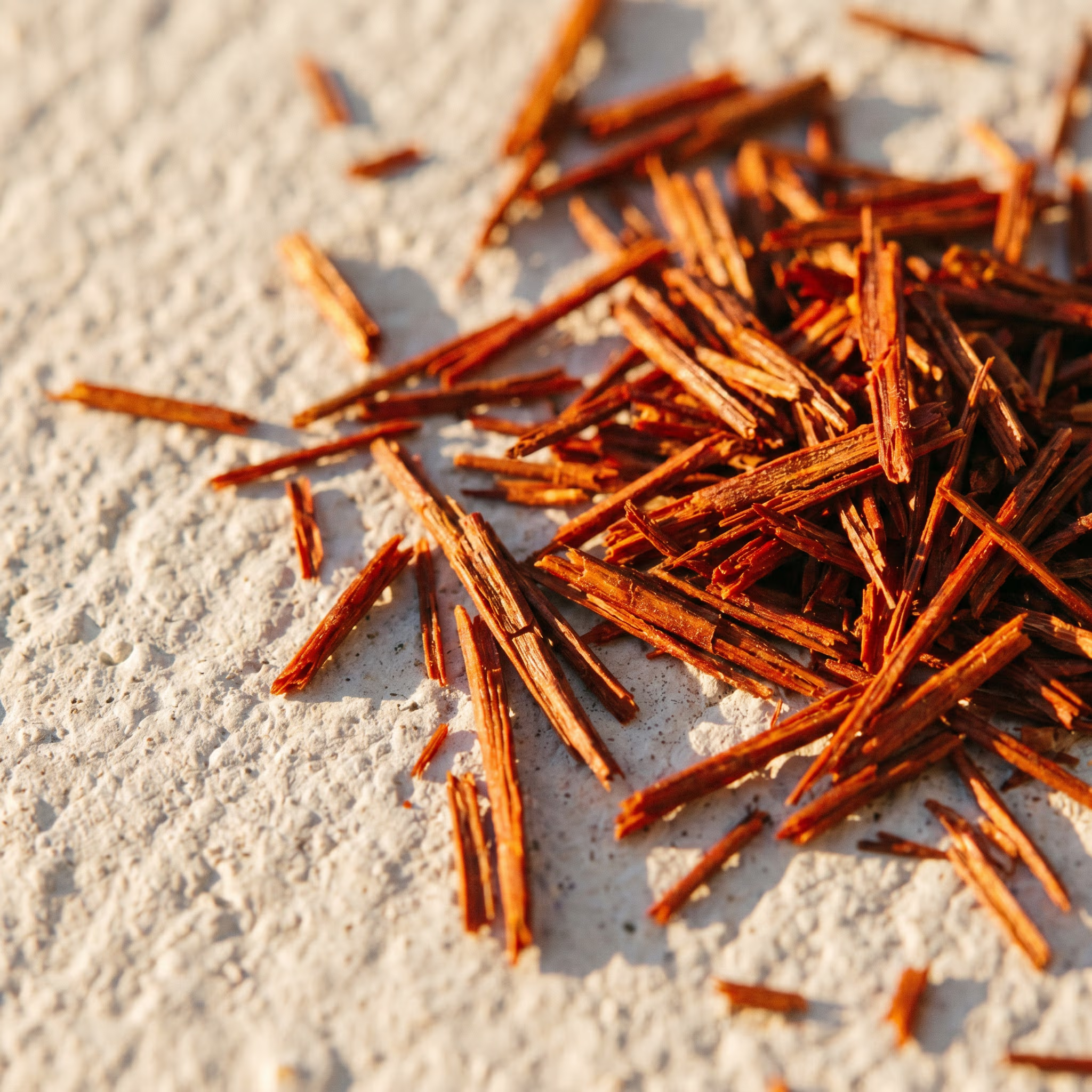
The protection of rooibos as an endemic crop is unusually robust — it is one of the few South African indigenous plants with formal Geographical Indication (GI) status, comparable to Champagne or Parmigiano-Reggiano. Only product grown in the defined region of origin can legally be called rooibos.
Heiveld is a small cooperative of approximately 60 farming families in the high Cederberg. Their rooibos is harvested by hand, processed traditionally (oxidised, dried in the sun), and exported under fair-trade terms.
The science
Rooibos extract has demonstrated antioxidant activity in vitro that exceeds that of green tea on a per-mass basis, with particular efficacy against superoxide and peroxyl radicals. Topical application data is more limited but the polyphenol profile suggests credible benefit in cosmetic use, particularly for sensitive skin.